Illinois tornado outbreak today: Emergency crews respond to severe storm damage across central regions
Residents across several counties are currently reeling following a significant and dangerous illinois tornado outbreak that touched down throughout the afternoon hours. Emergency management teams and local authorities have been deployed to assess the extent of the destruction as the severe weather system moves across the central portion of the state. This weather event has prompted immediate life-saving search and rescue operations in the most heavily impacted municipalities.
The National Weather Service continues to monitor the situation closely, as this illinois tornado outbreak represents one of the most intense storm fronts to move through the region this year. Officials are urging all residents to remain sheltered in designated safe zones until the all-clear is officially issued, warning that additional cells remain active and capable of producing further wind damage or sudden rotation.
What Happened During The Illinois Tornado Outbreak?
The system originated from a supercell thunderstorm cluster that rapidly intensified as it interacted with a high-moisture air mass. Witnesses reported large funnels touching down in suburban and rural areas, causing significant structural damage to homes and power grids. The rapid development of the supercells left many communities with very little warning time, forcing emergency personnel to activate sirens and mobile alerts across multiple jurisdictions simultaneously to ensure public safety.
Latest Updates and Timeline
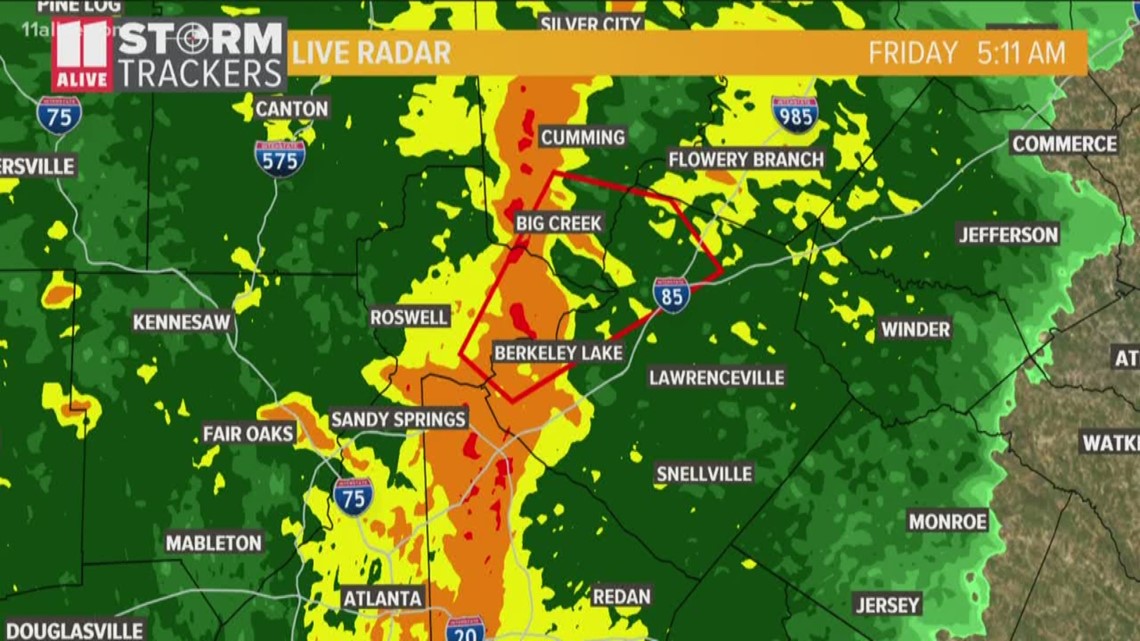
The sequence of events began early this morning when meteorologists identified a high-risk sector for convective storms. By mid-afternoon, the first confirmed reports of touchdowns were filed by local spotters. Throughout the evening, the path of the storm system has been tracked via radar with extreme precision, showing a clear corridor of impact moving from the southwestern edge of the state toward the eastern borders, with localized pockets of extreme wind speeds reaching triple digits.
What Officials Are Saying
Local law enforcement and emergency management agencies are coordinating a unified response. In a brief statement issued from the emergency operations center, officials noted that their primary focus remains on clearing debris from major roadways to allow ambulances and fire trucks access to trapped residents. State leaders have also expressed their support, promising necessary resources from the National Guard if search and rescue efforts are hindered by the scale of the debris fields.
Injuries, Deaths and Damage
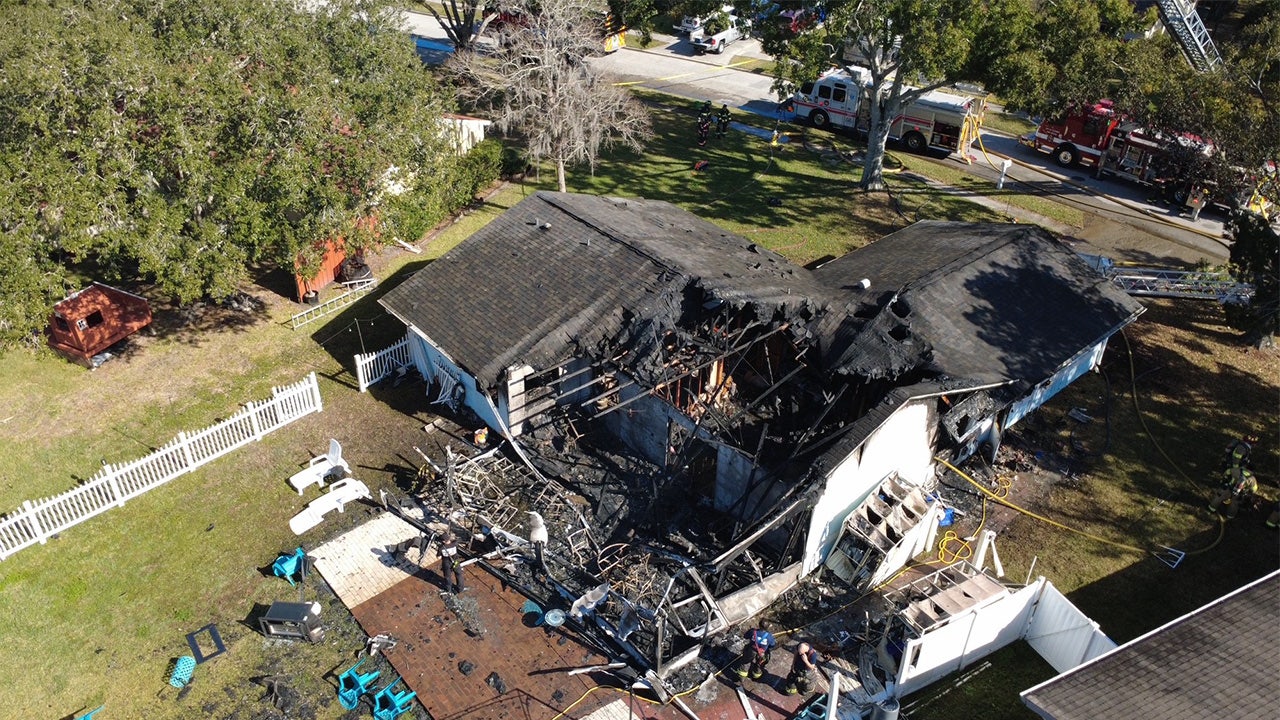
Reports regarding casualties remain fluid as responders reach the hardest-hit locations. While several citizens have been transported to regional medical centers for treatment of lacerations and trauma-related injuries, official tallies regarding the total number of affected individuals are pending. Structural damage assessments indicate widespread loss of roofing, downed power lines, and shattered windows, which will require long-term repair efforts.
What We Know So Far
- Multiple funnel clouds were confirmed on the ground by trained meteorological storm spotters.
- Extensive power outages are currently affecting thousands of homes across the impacted regional grid.
- Emergency sirens provided a critical early warning for residents in the immediate storm path.
- Local shelters have been opened to accommodate families displaced by severe property destruction.
- Utility companies are working around the clock to restore electrical service to downed lines.
- State officials have declared a temporary emergency status to streamline the distribution of relief.
What Happens Next
In the coming days, the focus will shift from immediate emergency rescue to long-term recovery and debris management. The National Weather Service will dispatch survey teams to classify the intensity of the storm using the Enhanced Fujita scale. Meanwhile, insurance adjusters and city planners will begin the arduous process of evaluating the financial and physical impacts of this destructive event on local infrastructure. Communities are advised to keep checking for updates via official channels for information on temporary housing and supply distribution.
Community Impact and Safety Directives
The resilience of the impacted communities is being tested as neighbors assist one another in initial cleanup efforts. However, officials remind everyone to stay away from downed power lines and to exercise caution when entering structurally compromised buildings. Safety remains the highest priority; residents should monitor local news broadcasts for ongoing bulletins regarding the potential for secondary storm systems developing as the front exits the state.