Colorado wildfire warning Today: NWS Issues Critical Alert for Residents as Fire Risks Increase
A persistent Colorado wildfire warning has been issued for multiple counties across the state today as weather conditions create a high risk for rapid fire spread. The National Weather Service (NWS) has alerted residents and local authorities to exercise extreme caution as dry, windy, and warm conditions converge. The current situation remains fluid, with emergency responders on high alert across affected areas to monitor for potential ignition points and rapid growth patterns that could threaten residential communities and critical infrastructure.
As the state navigates through this challenging period of peak fire season, the Colorado wildfire warning serves as a vital tool for public safety. Officials are urging citizens to stay informed, prepare evacuation plans, and report any signs of smoke or unauthorized fire activity immediately to local dispatch centers. This alert is based on sustained meteorological data indicating that humidity levels have plummeted while wind speeds are expected to remain elevated throughout the operational period, compounding the difficulty of containing any new or existing threats.
What Happened in Colorado?
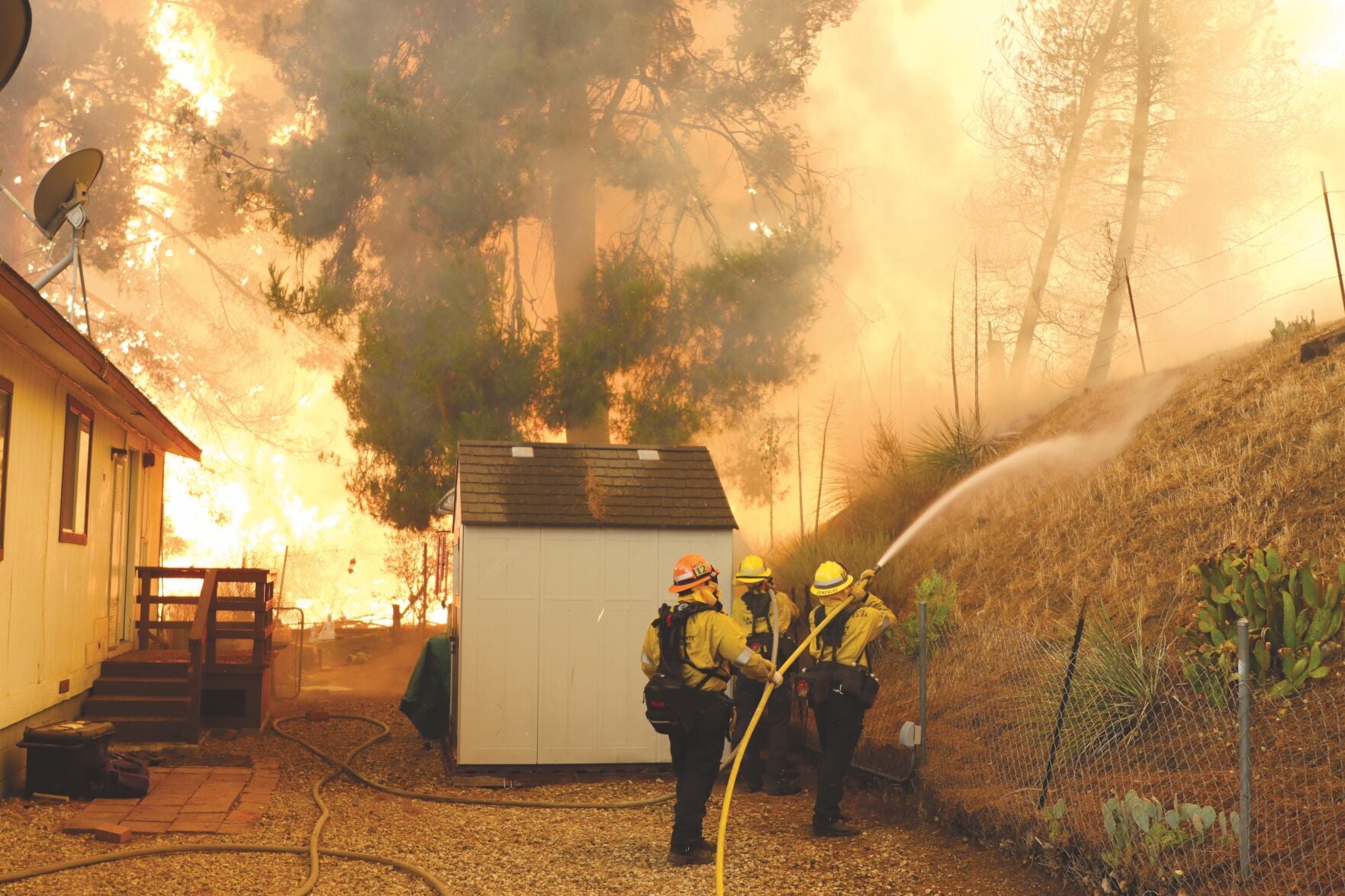
The latest Colorado wildfire warning stems from a combination of long-term drought conditions and immediate weather shifts that favor wildfire development. The state’s landscape, currently characterized by parched vegetation and dry forest floors, provides ample fuel for potential blazes. When combined with gusty wind patterns typical of the current season, the risk of explosive fire behavior increases significantly. Local emergency management agencies have activated their response protocols to ensure that resources are strategically positioned in areas identified as high-risk by wildfire modeling experts.
Latest Updates and Timeline
The timeline for this event began early this morning when meteorologists identified a significant drop in relative humidity alongside a frontal system expected to bring high winds. By midday, the NWS finalized the issuance of the Colorado wildfire warning to cover the most vulnerable regions. Throughout the afternoon, air quality monitors and satellite imagery have been utilized to track potential hot spots across the impacted zones. Interagency communication lines remain open to coordinate responses if conditions deteriorate further.
What Officials Are Saying
Governor’s offices and emergency management coordinators have emphasized the necessity of public cooperation during this time. Officials are reminding all residents that human-caused ignitions remain the leading source of wildfires in the state. Consequently, strict fire bans and limitations on outdoor activities—including the use of heavy machinery in fields, fireworks, and open campfires—are currently in effect. Law enforcement agencies are increasing patrols to enforce these mandates and ensure that public spaces are not inadvertently placed at risk.
Injuries, Deaths and Damage
At the time of this report, there have been no confirmed injuries, fatalities, or significant structural damage attributed to the current weather threat. Emergency responders are prioritizing the protection of life and property by maintaining a proactive presence near high-risk zones. While the risk of fire remains elevated, the lack of active large-scale incidents currently indicates that the precautionary measures taken by the public and officials are serving their intended purpose. The situation is being monitored hourly by state authorities.
What We Know So Far
- A formal Colorado wildfire warning covers several counties currently experiencing extreme fire weather conditions.
- Humidity levels in the affected regions have reached critically low thresholds conducive to rapid flame spread.
- High wind gusts are predicted to persist through the evening, necessitating a heightened state of readiness.
- Local emergency services have pre-positioned fire crews and aerial assets to respond to potential hotspots.
- The public is advised to avoid outdoor burning, including residential debris or agricultural waste, until further notice.
- Emergency management websites are providing real-time updates regarding specific zones under evacuation watch or advisory.
What Remains Unknown
While the meteorological conditions are well-documented, the exact location and timing of any potential fire ignition remain unknown. Predicting where lightning strikes or accidental human activities might trigger a blaze is inherently challenging. Furthermore, the duration of the current warning period could be extended if the anticipated weather relief does not materialize as expected. Experts are watching the front to determine when the threat level will decrease sufficiently to warrant lifting the current restrictions.
What Happens Next
Looking ahead, authorities expect a transition period as the current weather system moves through the region. If conditions stabilize, the warning may be downgraded; however, the state continues to remain under a general fire watch throughout the remainder of the week. Citizens should maintain their preparedness, keep their emergency kits updated, and remain vigilant for any official alerts that might be pushed through local radio, mobile alerts, or direct communication channels in the coming hours and days.