Grasshopper fire in California today: crews battle growing blaze near busy regional transit routes
The Grasshopper fire has emerged as a significant concern for emergency services in California today, as firefighters mobilize to contain a rapidly developing blaze. Located near key regional infrastructure, the incident has prompted an immediate response from local and state agencies working to prevent further expansion of the fire. Residents and commuters are advised to monitor official channels for the latest information regarding evacuation orders and roadway closures that may arise as the situation evolves throughout the day.
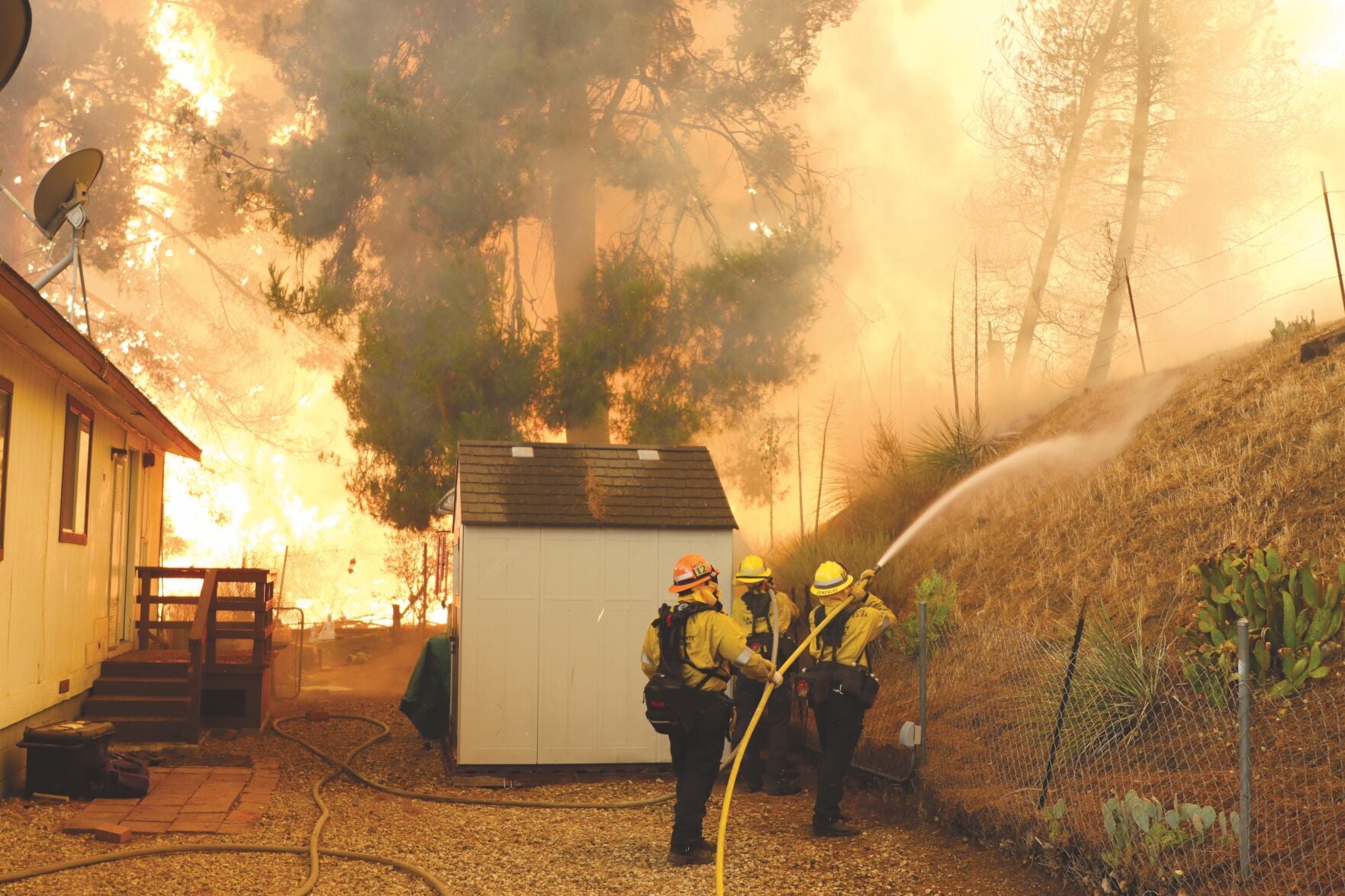
As of this morning, the intensity of the Grasshopper fire remains a high priority for fire management teams. Aerial support and ground crews are currently engaged in a coordinated effort to establish containment lines, though gusty winds and low humidity continue to present challenges for responders on the scene. The scope of the fire remains under assessment, but officials have emphasized that the priority is the safety of local residents and the protection of nearby property as the suppression operations intensify.
What Happened in California?
The Grasshopper fire was first reported earlier this morning, with emergency calls notifying dispatch of smoke and flames visible from nearby major transit corridors. Initial reports suggest the blaze started in a remote area with dense vegetation, which allowed the flames to spread quickly due to the prevailing environmental conditions. Local fire districts were immediately dispatched to the area, joined shortly after by state-level resources to ensure a robust initial attack.
Latest Updates and Timeline
Since the initial alarm, the situation has remained fluid, with crews actively shifting resources to address flare-ups. Monitoring stations indicate that air quality in the immediate vicinity is degrading, leading health officials to issue warnings for vulnerable populations. As the timeline of the fire progresses, meteorologists are providing real-time data to help fire bosses anticipate shifts in wind direction that could affect the path of the flames.
What Officials Are Saying
Representatives from local fire departments have briefed the public on the importance of staying clear of the fire zone to allow heavy equipment and personnel easy access to the lines. Emergency managers have stated that the Grasshopper fire is being treated as a high-threat event, given the proximity to residential zones. Official statements underscore the necessity of following all local evacuation instructions immediately if they are issued.
Injuries, Deaths and Damage
At this stage, there have been no confirmed reports of fatalities associated with the Grasshopper fire. Medical teams are stationed nearby to handle potential injuries, including smoke inhalation or heat exhaustion for responders. While assessments of structural damage are ongoing, the primary focus currently remains on preventing the fire from reaching built-up areas. Damage assessments will be released as soon as it is safe for fire investigators to access the burn area.
What We Know So Far
- The Grasshopper fire was identified early this morning and remains an active incident.
- Multiple fire agencies are coordinating to establish containment, with aerial assets deployed.
- Local transit routes have been impacted, with intermittent closures reported by highway authorities.
- Health warnings are in effect for neighboring communities due to potential heavy smoke drift.
- Evacuation warnings remain dynamic as weather conditions could alter the fire trajectory.
- Emergency shelters are being prepared by local community organizations for affected residents.
What Remains Unknown
Despite the rapid response, several factors regarding the Grasshopper fire remain unclear. The specific point of origin and the exact cause of the ignition have not been determined, and formal investigations will commence only after the fire is sufficiently contained. Furthermore, the final size of the burn perimeter is still being measured by specialized mapping teams, and there is no confirmed timeline for full containment at this current stage.
What Happens Next
Moving forward, the primary objective for crews is to increase the percentage of containment before the next shift in regional weather patterns. Residents should remain vigilant, keep emergency supplies ready, and stay updated via official radio and digital alerts. Coordination between local law enforcement and fire services will continue as they manage traffic and public safety in the surrounding zones until the threat has subsided.