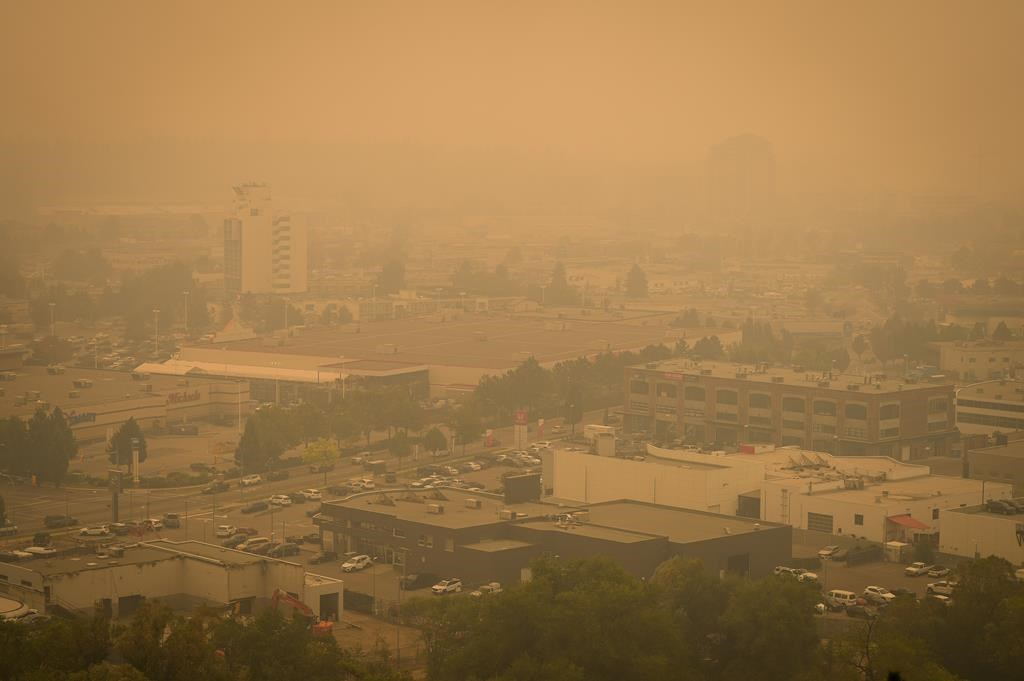
Kelowna air quality has become a primary concern for residents today as significant wildfire smoke blankets the Central Okanagan region. Air quality monitors have registered a sharp decline in environmental standards, prompting local authorities to issue urgent health advisories. Whether you are a local resident, a visitor, or someone with underlying respiratory concerns, understanding the current conditions is critical for maintaining your health and well-being throughout the day.
The current situation remains fluid, with experts closely monitoring atmospheric changes and wind patterns that are currently pushing smoke from surrounding wildfire zones directly into the city. Here is what you need to know about the current environmental state and how it may impact your daily activities.
What Happened
The sudden shift in Kelowna air quality is directly linked to regional wildfire activity. Prevailing winds have shifted, transporting particulate matter and smoke from active fire fronts into the Okanagan Valley. Meteorologists and environmental agencies noted a rapid deterioration in visibility and air purity metrics starting early this morning. These particulates are small enough to enter the bloodstream and respiratory system, posing risks to vulnerable populations even in areas where the smoke appears thin or translucent.
What’s Happening Now/Next
Regional health authorities are currently recommending that residents exercise caution as the smoke continues to linger. Environmental monitoring stations in Kelowna are reporting air quality index (AQI) levels that fluctuate between unhealthy for sensitive groups and hazardous depending on the neighborhood. The trajectory of the smoke is heavily dependent on shifting wind directions, meaning that conditions could change significantly within a few hours. Forecasters are tracking potential weather systems that might clear the air, but the current consensus suggests that poor air quality will persist until further notice.
What This Means For You
For the average person in Kelowna, poor air quality means an increased risk of irritation to the eyes, throat, and lungs. Those with pre-existing conditions—such as asthma, chronic obstructive pulmonary disease (COPD), or heart conditions—are at an elevated risk of health complications. If you feel unwell, it is essential to monitor your symptoms closely. Outdoor physical activity is generally discouraged, and those planning to spend time outside should take note of the local air quality readings before proceeding with their plans.
What You Can Do Now
Taking proactive steps can help mitigate the risks associated with wildfire smoke. To stay safe, consider the following actions:
- Monitor the official BC Air Quality website for real-time updates specific to Kelowna.
- Keep windows and doors closed to prevent smoke from entering your living space.
- Utilize high-efficiency air cleaners or HEPA filters if available indoors.
- Avoid strenuous outdoor exercise or heavy exertion while the air quality remains poor.
- If you must go outside, wear a well-fitted N95 or KN95 respirator to filter out fine particles.
Closing
The situation regarding Kelowna air quality today is a reminder of the environmental challenges posed by the wildfire season. Authorities are working around the clock to provide accurate data and safety guidance to the public. As conditions remain volatile, we encourage all residents to prioritize their respiratory health and stay informed via official channels. Check back frequently for the latest developments as the region navigates these challenging environmental conditions.