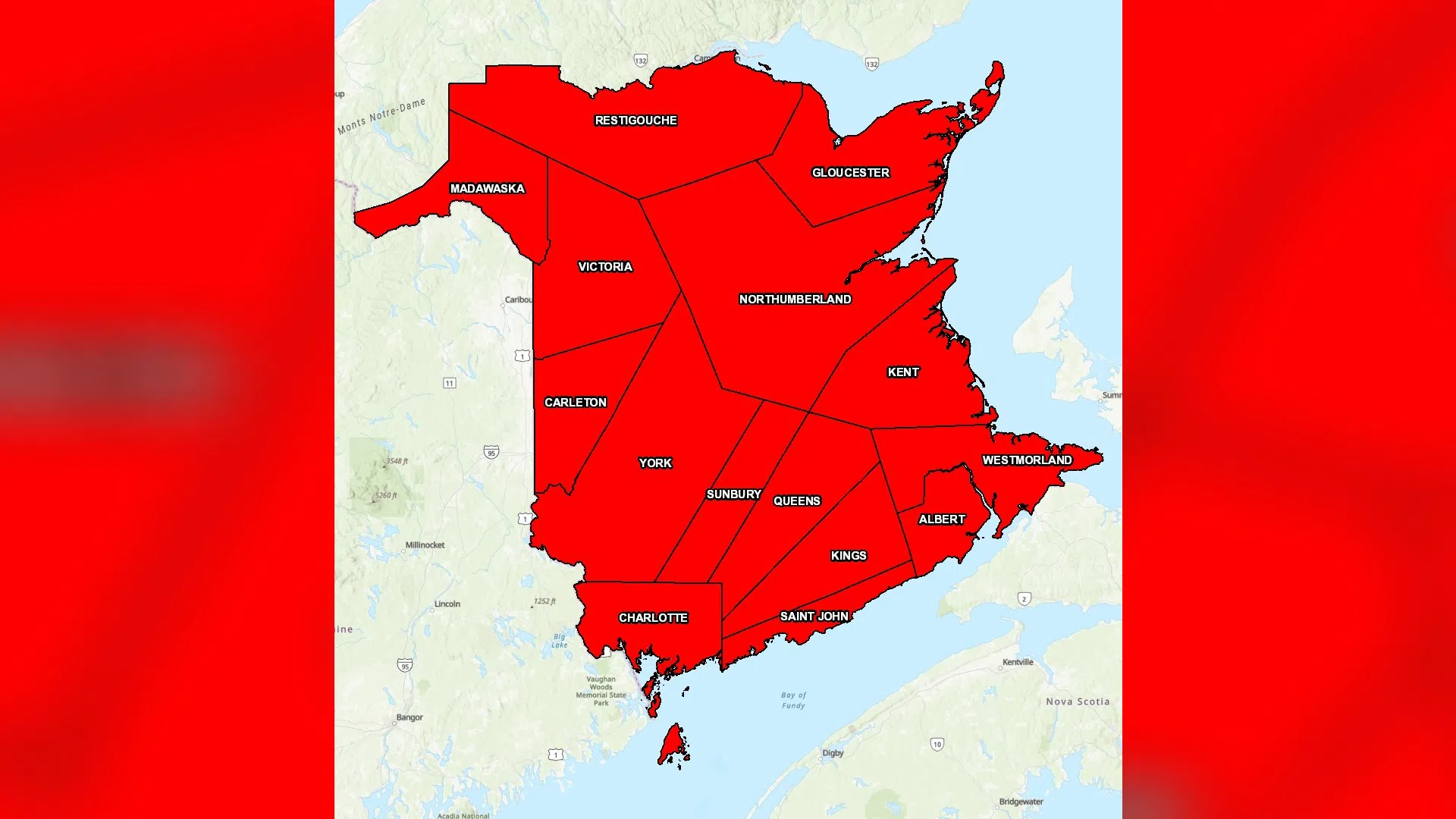
Residents and visitors across the province are seeking the latest new brunswick fire ban update today as officials work to manage elevated wildfire risks. With dry conditions persisting, local authorities have adjusted burn regulations to prioritize public safety and forest protection. Understanding these shifts is critical for anyone planning outdoor activities or property maintenance in the coming days.
Keeping up with official announcements is the best way to ensure compliance with provincial law and help prevent accidental ignitions. This guide breaks down the current status, what the restrictions mean for your daily activities, and how you can remain informed as conditions evolve.
What Happened
The provincial government regularly monitors moisture levels, wind speeds, and temperature trends to determine the necessity of fire bans. When environmental factors create a high-risk scenario for wildfires, authorities implement restrictions on open-air burning, including campfires, brush burning, and the use of off-road vehicles in high-risk zones. These decisions are rooted in data provided by forestry experts who track the drought index across New Brunswick’s various counties.
What’s Happening Now/Next
As of today, authorities are continuously evaluating fire weather indices to determine if current bans will be extended, modified, or lifted. Officials stress that weather patterns can change rapidly, and local municipalities may have additional bylaws that supersede provincial orders. Recent data suggests that the combination of low humidity and gusty winds has kept the fire danger rating in the “moderate” to “high” range for several regions. Future updates will depend largely on incoming precipitation levels and humidity shifts over the next 48 hours.
What This Means For You
For the average resident, the new brunswick fire ban update today dictates what can and cannot be done on private and public land. If a total fire ban is in effect, it typically means no campfires, charcoal barbecues, or debris burning is permitted. Failing to adhere to these rules can result in significant fines or legal liability should a fire escape control. Businesses that rely on outdoor operations, such as forestry or construction, must also align their work schedules with the most current fire danger alerts.
What You Can Do Now
Safety is a collective responsibility. To minimize risk, follow these best practices:
- Check the official Government of New Brunswick website daily for the latest fire risk maps.
- Avoid any outdoor burning if you are in a high-risk zone, even if a specific ban is not currently active.
- Ensure that any permitted outdoor gear is used in a designated, fire-safe area.
- Keep a water source or extinguisher nearby if you are using equipment that could potentially spark a flame.
- Report any suspicious smoke or fire activity immediately by calling local emergency services.
Closing
Staying current with the latest fire safety mandates is essential for the protection of our communities and natural resources. As the situation remains fluid, remember that policies can change with little notice based on environmental data. Always double-check your local municipality’s website or the provincial fire portal before lighting any fire. Your vigilance helps keep the region safe.